Quality & Safety
Quality & Safety
Quality and Safety at the Core of Every Operation
At HAE-MRO, quality and safety are not just regulatory requirements—they are the foundation of every engineering decision, maintenance activity, and operational process. Our commitment to maintaining the highest standards of aviation safety is reflected through robust quality management systems, comprehensive compliance monitoring, proactive risk management, and a culture of continuous improvement.
Operating in accordance with applicable DGCA Civil Aviation Requirements, HAE-MRO helps aircraft operators and aviation organisations maintain regulatory compliance while enhancing operational reliability, engineering excellence, and aviation safety.
Safety Management System (SMS)

Building a Strong Safety Culture
HAE-MRO's Safety Management System (SMS) provides a structured framework for identifying hazards, assessing risks, implementing safety controls, and continuously improving operational safety.
Our SMS promotes a proactive approach to safety, ensuring that potential risks are identified and mitigated before they impact aircraft operations. By fostering open communication, continuous learning, and employee involvement, we create a culture where safety is everyone's responsibility.
Key Elements
- • Safety Policy & Objectives
- • Hazard Identification
- • Risk Management
- • Safety Assurance
- • Safety Performance Monitoring
- • Continuous Improvement
- • Safety Reporting
- • Regulatory Compliance
Benefits
- • Improved operational safety
- • Proactive hazard management
- • Enhanced regulatory compliance
- • Stronger organisational safety culture
- • Continuous performance improvement
Quality Management System (QMS)

Delivering Engineering Excellence Through Quality
Quality is embedded in every maintenance activity performed at HAE-MRO. Our Quality Management System (QMS) ensures that all engineering processes are carried out consistently, efficiently, and in accordance with approved procedures and regulatory standards.
Through systematic planning, process control, inspections, and continual evaluation, we maintain the highest standards of workmanship and customer satisfaction.
Our Quality Focus
- • Standardised Engineering Processes
- • Approved Maintenance Procedures
- • Process Monitoring
- • Quality Assurance
- • Continuous Improvement
- • Customer Satisfaction
- • Documentation Control
- • Regulatory Compliance
Why Our QMS Matters
- • Consistent maintenance quality
- • Improved operational efficiency
- • Reduced errors
- • Enhanced reliability
- • Greater customer confidence
- • Continuous organisational improvement
Compliance Monitoring

Ensuring Continuous Regulatory Compliance
Maintaining compliance with aviation regulations is essential for safe and efficient aircraft operations. HAE-MRO provides comprehensive Compliance Monitoring services to ensure maintenance activities, engineering procedures, and organisational processes consistently meet applicable DGCA Civil Aviation Requirements.
Our compliance monitoring programme evaluates operational performance, verifies adherence to approved procedures, and identifies opportunities for continuous improvement.
Compliance Services
- • DGCA Regulatory Compliance
- • Maintenance Process Monitoring
- • Documentation Review
- • Technical Record Verification
- • Regulatory Documentation Support
- • Corrective Action Follow-up
- • Compliance Reporting
- • Continuous Performance Monitoring
Benefits
- • Improved regulatory compliance
- • Reduced operational risk
- • Better audit preparedness
- • Enhanced quality assurance
- • Increased operational reliability
Internal Audits

Driving Continuous Improvement Through Independent Evaluation
Regular internal audits play a vital role in maintaining quality, safety, and regulatory compliance. HAE-MRO conducts systematic internal audits to evaluate engineering processes, maintenance activities, documentation, and management systems against approved procedures and regulatory requirements.
These audits help identify opportunities for improvement while ensuring the organisation continues to operate at the highest standards of aviation engineering excellence.
Audit Areas
- • Engineering Processes
- • Maintenance Activities
- • Technical Documentation
- • Regulatory Compliance
- • Quality Systems
- • Safety Management
- • Operational Procedures
- • Corrective Actions
Objectives
- • Verify compliance
- • Improve operational efficiency
- • Identify improvement opportunities
- • Strengthen quality systems
- • Enhance organisational performance
Risk Assessment

Identifying Risks Before They Become Problems
Risk assessment is an essential component of HAE-MRO's quality and safety framework. By systematically identifying potential hazards and evaluating operational risks, we implement effective mitigation strategies that protect aircraft, personnel, and aviation operations.
Our structured approach supports informed decision-making, proactive maintenance planning, and continuous safety improvement.
Our Risk Assessment Process
- • Hazard Identification
- • Risk Evaluation
- • Risk Prioritisation
- • Mitigation Planning
- • Control Implementation
- • Continuous Monitoring
- • Performance Review
Outcomes
- • Reduced operational risks
- • Improved safety performance
- • Better maintenance planning
- • Enhanced regulatory compliance
- • Increased operational reliability
Human Factors
People Are Central to Aviation Safety
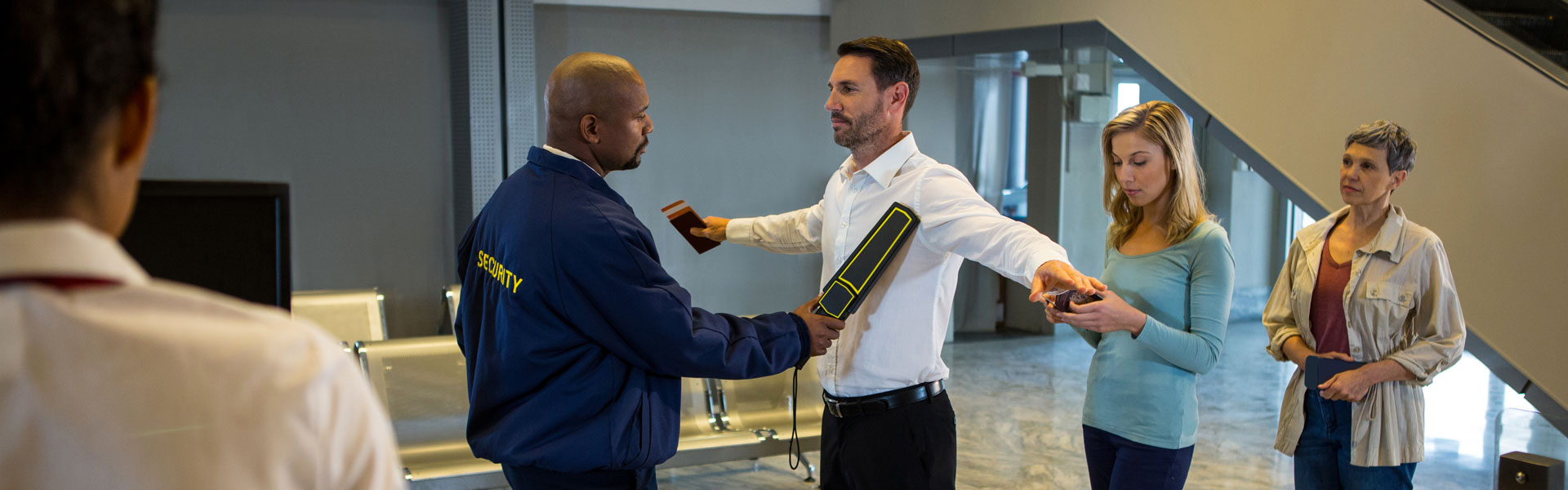
Human performance plays a critical role in aircraft maintenance and engineering. HAE-MRO promotes awareness of Human Factors to minimise maintenance errors, improve communication, and strengthen decision-making across engineering operations.
By encouraging teamwork, situational awareness, and adherence to established procedures, we help create a safer and more efficient working environment. Human Factors Compliance is specifically included within HAE-MRO's regulatory compliance services.
Focus Areas
- • Communication
- • Teamwork
- • Situational Awareness
- • Decision Making
- • Fatigue Awareness
- • Error Prevention
- • Safety Culture
- • Professional Responsibility
Benefits
- • Reduced human error
- • Improved teamwork
- • Greater operational efficiency
- • Stronger safety culture
- • Enhanced maintenance quality
Corrective & Preventive Action (CAPA)

Solving Problems and Preventing Recurrence
HAE-MRO's Corrective & Preventive Action (CAPA) process is designed to identify the root causes of issues, implement effective corrective measures, and prevent future occurrences.
Rather than simply addressing immediate problems, CAPA strengthens organisational performance by improving processes, reducing recurring issues, and promoting continuous improvement. CAPA forms part of the regulatory compliance services identified in the source document.
CAPA Process
- • Issue Identification
- • Root Cause Analysis
- • Corrective Action Planning
- • Preventive Action Implementation
- • Effectiveness Verification
- • Continuous Monitoring
- • Documentation & Reporting
Advantages
- • Improved process reliability
- • Reduced recurring issues
- • Enhanced quality performance
- • Better regulatory compliance
- • Continuous organisational improvement
Safety Promotion

Creating a Culture Where Safety Comes First
Safety Promotion is fundamental to maintaining a positive safety culture throughout HAE-MRO. Through continuous communication, training, awareness programmes, and knowledge sharing, we encourage every team member to actively contribute to safer maintenance practices and operational excellence.
By promoting learning, accountability, and continuous improvement, we reinforce our commitment to protecting people, aircraft, and aviation operations. Safety Promotion is listed among HAE-MRO's regulatory compliance and quality services.
Safety Promotion Activities
- • Safety Awareness Programmes
- • Engineering Safety Briefings
- • Quality & Safety Training
- • Lessons Learned Sharing
- • Safety Communications
- • Best Practice Guidance
- • Continuous Learning
- • Employee Engagement